Gardening for Seniors: How to Start and Where to Find Support
EducationGardening offers seniors physical activity, mental stimulation, and opportunities for social connection. This guide outlines practical resources, programs, and support systems that help older adults get started with confidence.
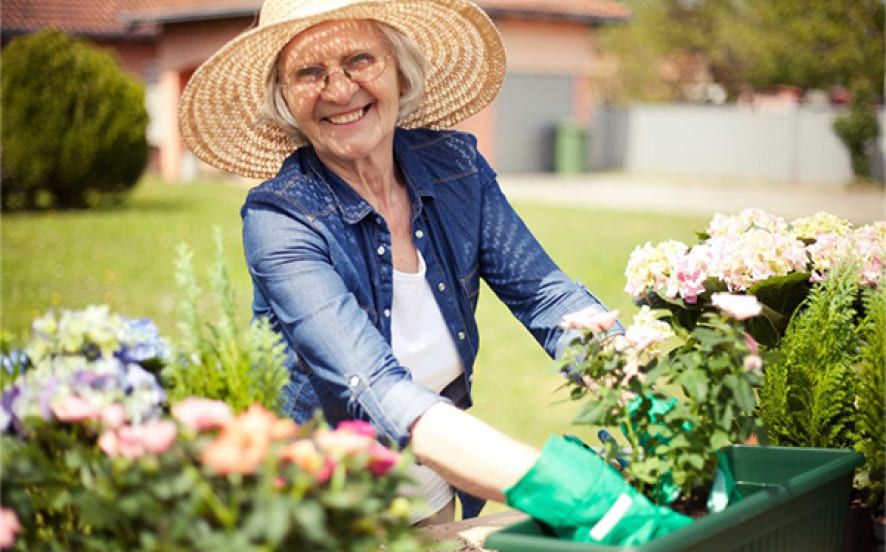
Gardening brings so many benefits to seniors: from physical activity and mental stimulation to relaxation and socialization. But where do older adults turn to get started with the seeds, tools, and guidance they need? Learn about the many practical resources and sources of support that await discovery below.
1. Local Gardening Clubs and Community Gardens
One of the best ways seniors can engage with gardening is to join a local gardening club or community garden. Many clubs offer hands-on workshops, access to shared tools, and even plots. Look for listings online, or check your local community centers for what may be available in your area. Most community gardens have mentorship programs that team up newcomers with more experienced gardeners.
For example, organizations like the American Community Gardening Association maintain registries of community gardens across the U.S., where seniors can find places to grow their plants and socialize with others.
2. Senior-Oriented Gardening Programs
Some non-profit organizations and retirement communities offer senior-focused programs in gardening. These accessibility-related programs may include raised beds, ergonomic equipment, and plants that are easy to work with.
- ElderGrow: Headquartered in the United States, this organization offers seniors opportunities to explore therapeutic indoor gardening through workshops and plant-care kits.
- Master Gardener Programs: Available in most states, these programs provide advanced training in horticulture along with volunteer opportunities. They are often attached to university extension offices and include seniors within their age spectrum.
3. Online Educational Platforms
For seniors who are comfortable using computers or have limited mobility, the internet is a valuable source of gardening information. Websites like Gardeners.com and The Old Farmer’s Almanac provide detailed instructions, prerecorded lessons for complex cultivation processes, and climate-based planting calendars.
Video channels such as Epic Gardening and Gardener’s World offer tutorials on topics like starting seeds or organic pest control, making learning both practical and engaging.
4. Local Libraries and Extension Services
Most public libraries host free workshops or maintain collections of gardening books and magazines. Seniors can borrow beginner-friendly guides or browse gardening periodicals for inspiration.
University extension services, including the Cooperative Extension System across the United States, provide area-specific advice, free soil testing, and educational classes. Many also operate hotlines where seniors can consult gardening experts about specific issues.
5. Accessible Gardening Tools and Equipment
Finding the right tools can make gardening easier and more enjoyable for older adults. Many retailers and organizations now design products with accessibility in mind, including:
- Ergonomic Tools: Lightweight, cushioned tools with extended handles that reduce strain.
- Raised Beds and Vertical Gardens: Options that minimize bending or kneeling.
- Adaptive Gardening Supplies: Brands like Fiskars and Radius Garden offer tools designed for individuals with arthritis or limited mobility.
Most local garden centers carry these items and can provide personalized advice on selecting the best tools for seniors’ needs.
6. Social Media Communities
Platforms like Facebook and Instagram host active gardening groups where seniors can ask questions, share progress, and learn from experienced gardeners. Groups such as "Beginning Gardeners" or regional gardening clubs help older adults connect with others who share the same interest.
7. Health Benefits and Therapeutic Support
Gardening can also serve as a form of therapy. Organizations such as the American Horticultural Therapy Association promote horticultural therapy to support mental and physical health. Many assisted living facilities and senior centers incorporate gardening activities into their wellness programs.
8. Financial Assistance and Grants
Some local governments and nonprofit organizations provide grants or free supplies for gardening projects, especially for seniors with limited budgets. Checking with local organizations can help identify available funding or support opportunities.
Conclusion
Gardening offers seniors a pathway to health, happiness, and community through nurturing plants and flowers. With the wide range of resources available—from local clubs and educational programs to adaptive tools and financial support—older adults can begin their gardening journey with confidence and sustained encouragement.