Perfect Instruments for Senior Beginners to Learn
EducationIt’s never too late to start learning music. Discover the best instruments for senior beginners that are easy to play, gentle on the body, and rich in physical and mental benefits.
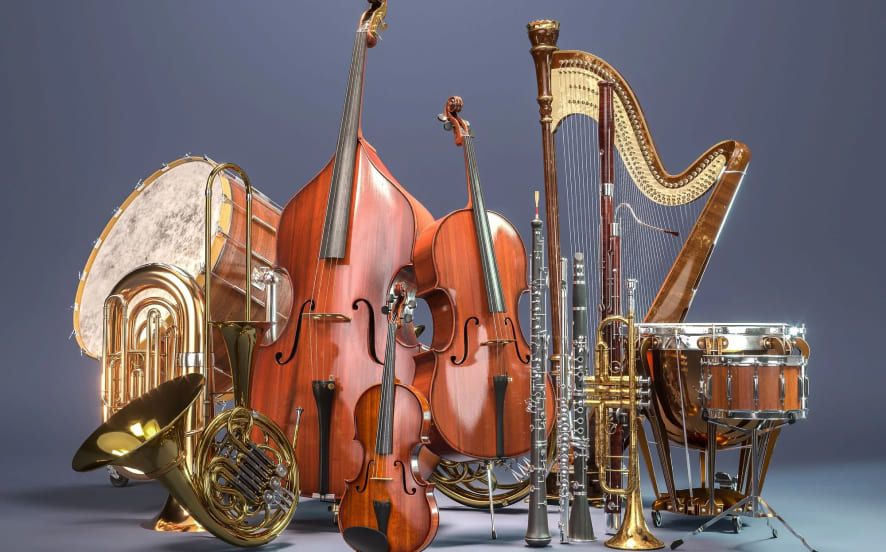
Have you ever thought that it is too late to start playing an instrument? Not so. Music can enrich your life at any age, and here’s how seniors can choose the perfect instrument to start off their musical education.
1. The Piano: A Timeless Choice
The piano could be one of the easiest instruments to study for seniors, since it doesn’t need extensive physical dexterity or strength just to get started. Unlike string instruments, which require intricate positioning of the hands, the piano involves pressing keys—something that can easily be done by those with arthritis or limited use of their hands. It is senior-friendly because volumes can be adjusted easily, and modern pianos are lighter and more compact compared with older kinds of pianos.
The visual layout of the keys makes learning music theory easier to understand. Playing the piano also develops hand coordination and helps reinforce memory, giving the brain a beneficial workout.
Why It’s Ideal:
No need to hold or carry the instrument while playing.
Clear visual structure for learning notes and chords.
Suitable for a wide range of musical genres.
2. The Ukulele: Small but Mighty
Light, easy to carry, and playful, the ukulele has become popular among learners of all ages, particularly seniors. Its nylon strings are softer on the fingers compared to the steel strings of a guitar, making it an excellent low-impact option for aging joints. With only four strings instead of six, chords are simpler and easier to learn.
Beginners can master simple songs in just a few weeks and quickly feel a sense of accomplishment.
Why It’s Ideal:
Easy to play and affordable.
Cheerful, upbeat sound that lifts spirits.
Beginner-friendly chords and techniques.
3. The Harmonica: Breath In, Breathe Out
The harmonica may be small, but it offers big benefits. Because learning it is closely related to breathing techniques, it can help improve lung strength and may be especially helpful for those with respiratory issues such as asthma or COPD. It is portable and does not require much hand strength or precise finger placement.
The harmonica is versatile and works well with blues, folk, and jazz music.
Why It’s Ideal:
Improves breathing and lung function.
Portable and compact.
Great for those who enjoy improvisation.
4. The Percussion Family: Drumming Up Fun
For lovers of rhythm, percussion instruments such as hand drums, bongos, and tambourines are excellent choices. These instruments require minimal musical training and are accessible for those with limited mobility or cognitive decline. Drumming can also serve as light physical exercise and a stress-relieving activity.
It is especially beneficial in social and therapeutic settings, such as group drum circles.
Why It’s Ideal:
Improves rhythm and coordination.
Requires minimal technical skill to start.
Encourages social and interactive participation.
5. The Recorder: A Simple Wind Instrument
Often associated with school music programs, the recorder is also a great entry-level wind instrument for seniors. Its lightweight design and simple finger positioning make it one of the easiest instruments to begin with. Playing the recorder teaches breath control and coordination, and it is far less expensive than instruments like the flute or clarinet.
Why It’s Ideal:
Beginner-friendly and budget-conscious.
Provides a foundation for learning other wind instruments.
Lightweight and portable.
6. The Autoharp: Strings Simplified
The autoharp is ideal for seniors who may feel intimidated by the learning curve of guitars or violins. With pre-set chord buttons, even those with limited dexterity can create beautiful music by gently strumming across the strings. Commonly used in folk and country music, the autoharp produces a rich, full sound without requiring extensive training.
Why It’s Ideal:
Requires minimal finger dexterity.
Produces complete chords with ease.
Perfect for fans of folk music.
Conclusion
Music brings physical, mental, and emotional benefits to seniors—especially when they choose the right instrument. Whether you are drawn to the piano, the cheerful sound of a ukulele, or the breath-enhancing harmonica, there is an instrument to suit every personality and need. It is never too late to start, and the rewards can be significant. Choose your instrument and begin your musical journey today.