Elevating Arboriculture: Unveiling the Art of Tree Pruning
EducationTree pruning is more than simple branch trimming; it is a refined blend of science and art. By understanding tree biology and applying advanced techniques, arborists can promote sustainable growth, structural integrity, and long-term health.
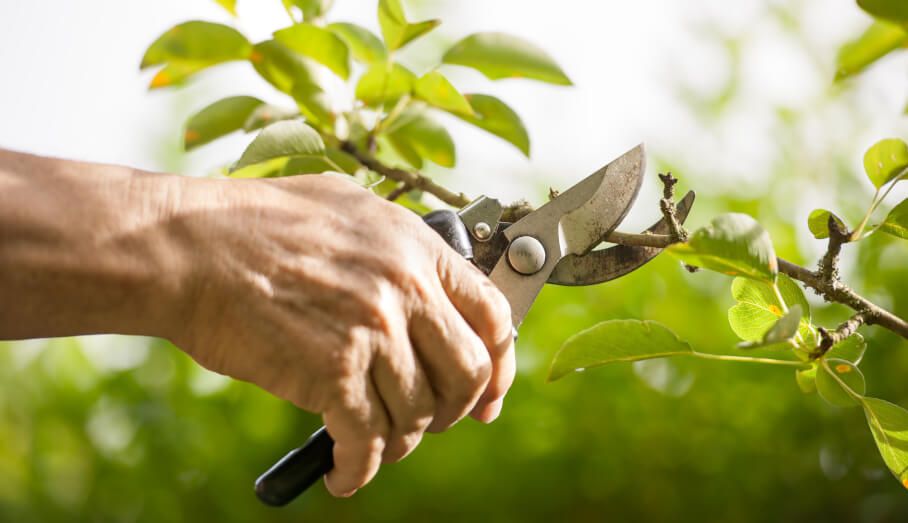
Truly mastering the craft of tree pruning involves a deeper understanding of the science behind it, allowing us to unlock the secrets to sustainable, long-term growth.
Tree pruning, often seen as a simple act of trimming branches, holds a deeper significance in the realm of arboriculture. Beyond mere maintenance, it embodies an art form that requires precision, knowledge, and a deep understanding of tree biology. Mastering the craft of tree pruning goes beyond the basic task of cutting away branches; it involves sculpting, shaping, and nurturing trees to enhance their health, aesthetics, and longevity.
Understanding the Basics of Tree Pruning
Before delving into advanced techniques, it’s essential to grasp the fundamentals of tree pruning. Proper pruning begins with a clear objective, whether it’s removing dead or diseased branches, improving the tree’s structure, or enhancing its appearance. Additionally, understanding the biology of trees is crucial; knowing how they respond to pruning cuts and how to promote healing is key to success.
Beyond Simple Trimming: Advanced Techniques in Tree Pruning
- Crown Thinning: Crown thinning involves selectively removing branches from the tree’s canopy to increase light penetration and air circulation. This technique not only enhances the tree’s aesthetics but also reduces the risk of disease by promoting better airflow.
- Crown Raising: Crown raising is the process of removing lower branches to raise the height of the canopy. This technique is often employed to provide clearance for structures, improve visibility, or create space beneath the tree for pedestrians or vehicles.
- Crown Reduction: In cases where a tree has outgrown its space or poses a risk to nearby structures, crown reduction can be employed. This technique involves strategically removing branches to reduce the overall size of the canopy while maintaining the tree’s natural shape and health.
- Directional Pruning: Directional pruning is a method used to guide the growth of trees in a specific direction. By selectively removing branches that compete with the desired leader or scaffold branches, arborists can shape the tree’s growth pattern and prevent structural issues.
The Art of Pruning: Sculpting Trees with Precision and Care
Beyond the technical aspects, tree pruning is an art form that requires creativity, patience, and a keen eye for detail. Like a sculptor shaping clay, arborists carefully craft the tree’s form, enhancing its natural beauty while preserving its health and integrity. Each cut is made with purpose, considering not only the immediate impact but also the long-term growth and development of the tree.
Seasonal Considerations and Timing
Timing is critical when it comes to tree pruning. While some species are best pruned during the dormant season to minimize stress and promote healing, others benefit from pruning during the active growing season. Understanding the specific needs of each tree species and considering factors such as flowering times and disease susceptibility is essential for effective pruning.
The Importance of Proper Tools and Techniques
Equally important as knowing when to prune is understanding how to prune. Using the right tools, such as sharp pruning shears, hand saws, and pole pruners, ensures clean cuts that promote healing and reduce the risk of disease. Additionally, employing proper pruning techniques, such as making cuts at the branch collar or bark ridge, helps minimize damage and encourage healthy regrowth.
Conclusion
Mastering the craft of tree pruning is more than just a technical skill; it’s a blend of science, art, and intuition. By understanding the principles of tree biology, employing advanced pruning techniques, and approaching each tree with care and precision, arborists can elevate the practice of pruning to new heights. Ultimately, the art of tree pruning not only enhances the beauty of our landscapes but also contributes to the health and vitality of our urban forests, ensuring a legacy of green for generations to come.