Unleashing the Full Potential of Your Gas Rebate Card
FinanceGas rebate cards can help drivers reduce fuel expenses through cashback and rewards programs. By understanding how these cards work and applying smart usage strategies, you can significantly increase your savings at the pump.
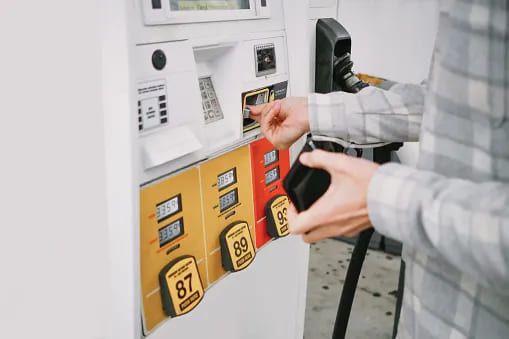
In today’s world, where every dollar counts, maximizing savings has become a priority for many. With the right strategy, you can harness the full potential of your gas rebate card and significantly boost your savings.
Introduction
Gas rebate cards have become increasingly popular as a way to save on fuel costs, especially with the recent surge in gas prices. These cards offer various incentives, such as cashback, rewards, and redemption options, to help consumers maximize their savings at the pump. Below, we explore the different aspects of gas rebate cards and how to use them effectively.
Cashback
Cashback is one of the most common incentives offered by gas rebate cards. These cards allow you to earn a percentage of your gas purchases back in the form of cashback. For example, the Discover it® Chrome Gas & Restaurant Credit Card offers 2% Cashback Bonus® at gas stations and restaurants on up to $1,000 in combined purchases each quarter, automatically, and unlimited 1% cash back on all other purchases.
To maximize your savings, it’s essential to understand the cashback rate and any caps on rewards. Combining your gas rebate card with other discount programs, such as the Upside app, can further increase your overall savings.
Usage
Using a gas rebate card effectively requires optimizing how and where you use it. This includes choosing the right gas station, considering travel distance, and understanding the rewards program’s terms. For example, the Speedy Rewards program may appeal to those who prefer not to redeem points specifically for cash-back on gas purchases.
It is also important to pay your statement balance in full every month to avoid interest charges that could exceed the value of the cashback earned.
Rewards
Beyond cashback, rewards programs can provide additional value. These may include fuel credits, gas rebates, or points redeemable for other benefits. For instance, the AAA Dollars Gas Rebate Visa Card offers a 5% rebate on gas station purchases, capped at 2% of total monthly purchases.
Some cards, such as the Citi Premier Card, offer 3 points per dollar spent at restaurants, supermarkets, gas stations, hotels, and air travel, allowing cardholders to redeem points for travel and other rewards.
Redemption
Redemption options are a key factor when choosing a gas rebate card. Some cards allow rewards to be redeemed for cash, while others offer alternatives such as fuel credits or travel discounts. Understanding the redemption process and the value of your rewards points is essential before committing to a specific card.
Comparison
Comparing different gas rebate cards helps ensure you select the one that best suits your needs. Important factors include cashback rates, rewards structures, redemption flexibility, introductory offers, and annual fees.
For example, the American Express SimplyCash Preferred Card offers 4% cash back on gas and grocery purchases, while the Citi Premier Card provides 3 points per dollar spent across several travel and everyday categories.
Best Practices
- Understand the card’s terms and conditions, including cashback rates, rewards programs, and redemption options.
- Combine your gas rebate card with other discount programs, such as the Upside app, to increase savings.
- Choose gas stations strategically based on proximity and rewards eligibility.
- Pay your statement balance in full every month to avoid interest charges.
- Redeem your rewards points for the highest possible value based on available options.
Conclusion
Gas rebate cards can be a valuable tool for reducing fuel expenses. By understanding cashback structures, optimizing usage, evaluating rewards, and following best practices, you can maximize your savings and make the most of your gas rebate card.