How Often Should I Mow My Backyard Lawn?
LifestyleThe ideal lawn mowing schedule depends on grass type, growth rate, season, and overall lawn health. This guide explains how often to mow throughout the year and shares essential tips to keep your backyard lawn healthy and attractive.
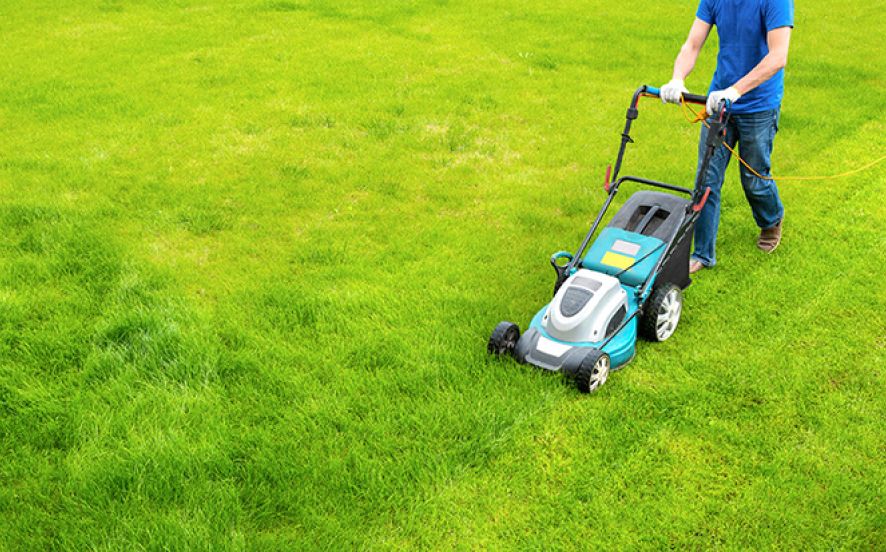
One important part of home landscaping is having a green lawn. According to the grass type, your location, season, and grass health conditions, you can decide how often to mow your grass. Here’s a complete guide.
Factors That Affect How Often You Mow
1. Grass Type
The same grass type will have the same growth pattern, but the speed of growth can vary. Cool-season grass grows fastest in spring and fall, while warm-season grass grows best in summer. How often you mow will ultimately depend on your grass type.
2. Grass Growth Rate
Grass growth is affected by weather conditions, soil type, fertilization, and other factors. In optimal growing conditions, you may need to mow weekly or even biweekly. When growth slows, such as during dry seasons or winter, it is best not to mow.
3. Mowing Height
Always follow the “one third rule”, which means never remove more than one third of the grass height while mowing. Cutting too low puts the grass under stress and makes it more vulnerable to disease and weeds.
4. Season
The season of the year influences mowing frequency. Grass grows faster in spring and summer and therefore requires more frequent cutting. Growth slows in fall, and you may not need to mow at all in winter, depending on your location.
Recommended Mowing Frequency
Spring and Summer
During the active growing season, mow once a week or every 5–7 days. If your grass grows very fast, you may need to mow twice a week.
Fall
As temperatures cool and growth slows, mowing every 10–14 days is typically adequate.
Winter
In most areas, grass goes dormant in winter and does not require mowing. In warmer climates where grass grows year-round, periodic mowing may still be necessary.
Tips for Lawn Mowing
- Sharpen Your Mower Blades: Dull blades tear the grass instead of cutting it cleanly, leaving a ragged appearance. Replace or sharpen blades at least once a season.
- Alternate Directions: Changing mowing directions helps prevent soil compaction and promotes healthier grass growth.
- Leave Grass Clippings: Grass clippings can act as a natural fertilizer, a practice known as “grass cycling”, which reduces the need for additional fertilization.
- Avoid Mowing Wet Grass: Wet grass can clog your mower and result in uneven cuts. Wait until the lawn is dry for best results.
- Set the Proper Mower Height: Adjust the mower height based on your grass type. Cutting too short can damage the lawn, while cutting too high can make it look shaggy.
Common Mistakes to Avoid
- Infrequent Mowing: Waiting too long to mow makes overgrown grass harder to cut and strains your mower.
- Neglecting Lawn Health: Lawn care goes beyond mowing. Skipping watering, fertilization, and aeration can undermine your efforts to maintain a healthy lawn.
Ultimately, how often you mow your backyard lawn will vary based on grass type, growth rate, and seasonal changes. By following the one-third rule and adjusting your mowing routine throughout the year, you can maintain a healthy, attractive lawn and enjoy your yard all year long.