A Guide to Choosing the Perfect Lawn for Your Backyard: Creating a Beautiful Green Space
LifestyleChoosing the right grass is essential for achieving a smooth, green backyard lawn in the United States. This guide explains how climate zones influence grass selection and outlines the best cool-season and warm-season options. It also covers key soil preparation and lawn maintenance tips for long-term success.
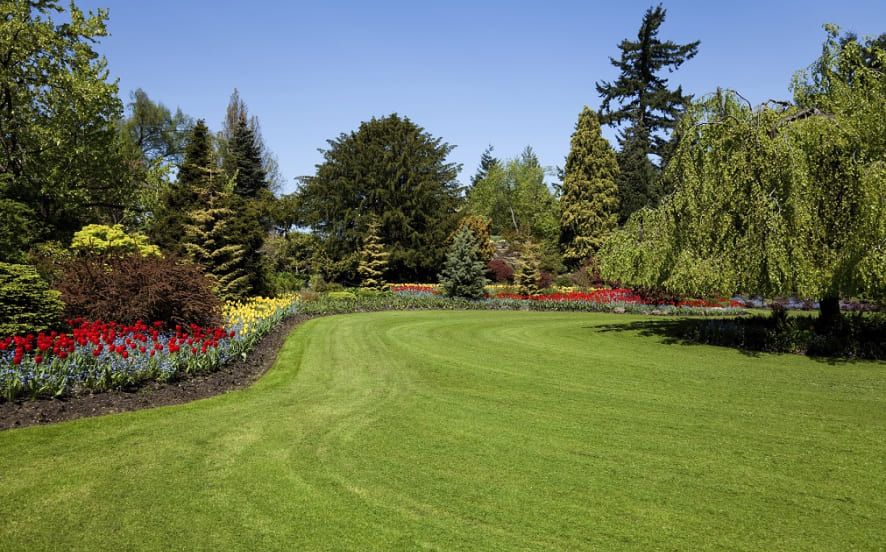
For a lot of homeowners in the USA, a green backyard lawn is their dream. However, if you want a smooth, green and clean lawn, you’d better choose the correct grass. This guide explains the best lawn grass options and provides practical backyard tips.
Identifying Your Climate Zone
Make sure which climate zone you are in is very important. There are a lot of climate zones in the USA, from the cool temperate areas of the Northeast and Northwest to the hot, humid areas of the Southeast and Southwest. Cool-season grass grows well in low temperatures and sleeps in summer, while warm-season grass grows well in hot climates and sleeps in winter.
Cool-Season Grass Options
For cooler regions, consider these top cool-season grasses:
Tall fescue: A low-maintenance grass that is drought- and shade-resistant and thrives in many soil types. It has excellent wear resistance.
Perennial Ryegrass (Lolium perenne): A quick germinator that provides a lush, green cover. It is often mixed with other species to improve wear tolerance and recovery. Ryegrass prefers full sun but can also grow well in partial shade.
Warm-Season Grass Options
Cynodon Dactylon (Bermuda Grass): Adapted to a wide variety of soil conditions due to its drought resistance. It forms a tight, dense mat that is perfect for high-traffic areas and athletic fields.
Zoysia Grass (Zoysia japonica, Zoysia matrella): Features a slow growth rate and fine texture with low mowing needs. It stays green late into the fall and thrives in full sun and well-drained soil.
St. Augustine Grass (Stenotaphrum secundatum): A textured variety that is resistant to shade and foot traffic. It is popular in the southern U.S. because of its heat and humidity tolerance.
Preparing and Maintaining Soil
Soil preparation is key whether you are sowing grass or laying turf. It’s an excellent time to test your soil for pH, nutrients, and texture. Adjust the pH if needed and incorporate compost or other organic matter to improve drainage and fertility. Correct mowing, watering, and fertilizing are important tasks to perform regularly.
Watering
Water your lawn long and deep once or twice a week. Aim for 1–2 inches (2.5–5.1 cm) of water per week, depending on your weather and grass type. Water in the cool of the morning to reduce evaporation and the chance of disease.
Mowing
Cut your grass to the proper height for your type. Frequent cuts produce thicker and stronger growth and help prevent weeds. Never remove more than a third of the grass blade per mowing.
Fertilization
Fertilize a few times a year with a balanced, slow-release fertilizer to replace nutrients. Soil test results will help you customize your fertilization strategy. Always read and follow the manufacturer’s instructions.
In conclusion, no matter where you are in the United States, establishing a beautiful backyard lawn begins with selecting the right type of grass for your climate and maintenance commitment. With proper soil preparation, careful watering, correct mowing, and timely fertilization, you can achieve a lush, green lawn that enhances outdoor living and brings enjoyment to your household.