How to Raise Awareness of Lung Cancer
HealthLung cancer remains a serious global health threat with high mortality rates. Raising public awareness through education, prevention efforts, early screening, and community engagement is essential to reduce its impact. This article outlines practical strategies to improve lung cancer awareness.
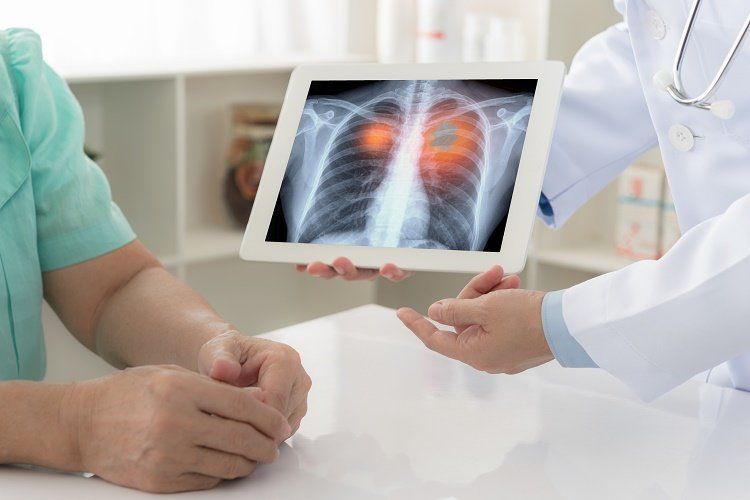
Lung cancer is a dangerous illness with high morbidity and mortality worldwide, posing a serious threat to public health. Therefore, improving public awareness of lung cancer is of great importance. Below are practical strategies to help increase awareness and promote prevention and early diagnosis.
1. Strengthen Health Education and Promotion
Health education and publicity campaigns form the foundation for raising public awareness of lung cancer. Governments, medical institutions, non-profit organizations, and the media should collaborate to share knowledge about lung cancer through multiple channels. This includes information about causes, symptoms, prevention measures, and treatment methods.
Lectures, seminars, health consultations, and media publications on TV, radio, newspapers, and the Internet can effectively enhance public understanding and encourage proactive health behaviors.
2. Emphasize the Importance of Prevention
Reducing risk factors is key to preventing lung cancer. Smoking is a major risk factor, making anti-smoking education and smoking cessation support essential components of awareness campaigns.
In addition, public awareness should be raised about other risk factors such as air pollution, occupational exposure, and radioactive substances. Appropriate preventive measures should be promoted to reduce exposure and lower overall risk.
3. Raise Awareness of Early Diagnosis and Screening
Early detection and diagnosis are critical to improving cure and survival rates. The public should be informed about early symptoms such as persistent cough, chest pain, and coughing up blood, and encouraged to seek medical attention when these symptoms appear.
High-risk groups, including long-term smokers and individuals with a family history of lung cancer, should undergo regular screening to detect potential problems as early as possible.
4. Organize Charity and Fundraising Activities
Charity events and fundraising initiatives can increase public support and attention for lung cancer issues. Activities such as charity runs, concerts, and dinners not only raise funds for research and patient assistance but also foster community discussion and engagement.
Such events strengthen public participation and social responsibility, further enhancing awareness.
5. Strengthen Education in Schools and Workplaces
Schools and workplaces are important platforms for health education. In schools, lung cancer prevention can be integrated into health education courses and related activities.
In workplaces, companies can provide regular health talks, promote healthy lifestyles, offer smoking cessation support, and arrange routine health checkups for employees.
6. Encourage Scientific Research and Innovation
Scientific research and innovation are crucial for improving treatment and survival outcomes. Governments and research institutions should increase support for lung cancer studies, including basic research and clinical trials, and encourage the development of new treatments and medications.
Sharing the latest research findings with the public through educational activities can also boost confidence and hope regarding lung cancer treatment.
In conclusion, raising awareness of lung cancer requires coordinated efforts from all sectors of society. By strengthening education, prevention, early screening, community involvement, and scientific research, we can reduce the harm caused by lung cancer and work toward a healthier future.