Revolutionary Evolution of Dental Implant Technology: A Leap From Tradition to Modernity
HealthDental implant technology has undergone a remarkable transformation from ancient tooth replacements to modern high-tech solutions. With biocompatible materials, CAD/CAM systems, and minimally invasive techniques, today’s implants offer safer, faster, and more aesthetic outcomes. Future innovations such as 3D printing and AI are set to further redefine oral restoration.
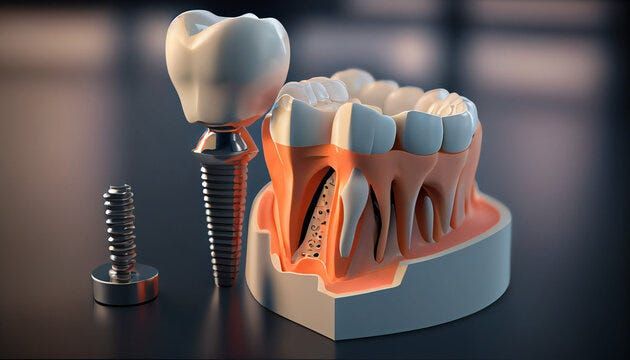
As an important technology in the field of dental restoration, dental implant technology has experienced a revolutionary evolution from tradition to modern. This article discusses the historical development of dental implant technology and the defining characteristics of modern techniques.
1. Historical Evolution of Dental Implant Technology
The history of dental implants dates back to ancient civilizations. As early as 600 BC, the Mayans used shells and animal teeth as tooth replacements. In the early 20th century, dental implants in the modern sense began to appear, primarily using screws to fix false teeth to the mandible. However, the success rate was low and complications were common.
By the mid-20th century, advances in dental materials and surgical techniques led to the use of more robust metal alloys and more elaborate surgical methods. Although this period saw improvements, limitations remained, including large surgical trauma, long recovery cycles, and high bone requirements for patients.
2. Characteristics of Modern Dental Implant Technology
- Biocompatible materials: Modern dental implants use titanium alloy materials with excellent biocompatibility, allowing close integration with human bone and significantly reducing the risk of rejection and complications.
- Precision Computer Aided Design and Manufacturing (CAD/CAM): CAD and CAM technologies enable precise customization of implant shape and size to perfectly match the patient’s oral structure.
- Minimally invasive surgical techniques: These approaches reduce surgical trauma and postoperative pain while shortening recovery time.
- Immediate implantation and immediate loading: Implants can be placed immediately after tooth extraction, with a temporary crown installed right away, greatly shortening the treatment cycle.
- Individualization and aesthetics: Modern implant technology emphasizes aesthetic outcomes, making implants nearly indistinguishable from natural teeth through personalized design and high-quality porcelain restorations.
3. Future Development of Dental Implant Technology
With continuous scientific and technological progress, future dental implant technology will focus more on personalization, intelligence, and patient experience.
- 3D printing technology: 3D printing will enable faster, more precise, and highly personalized implant design and manufacturing.
- Bioengineering technology: Advances in tissue engineering and stem cell research are expected to promote tooth regeneration and repair, creating new breakthroughs in implantology.
- Artificial intelligence and machine learning: AI and machine learning will improve surgical planning accuracy and make procedures more intelligent.
- Optimization of patient experience: Greater emphasis will be placed on patient comfort and satisfaction through more humane services and improved treatment environments.
In summary, the revolutionary evolution of dental implant technology represents a major advance in stomatology. From early experimental attempts to modern high-tech applications, dental implants have made a significant leap forward. With high safety, stability, and aesthetics, modern dental implants provide an ideal restoration solution for patients with missing teeth. As science and technology continue to advance, dental implant technology is expected to become even more intelligent and personalized, further enhancing global oral health.