Guide des coûts des appareils auditifs 2026 : Prix par tranche d’âge
HealthLes prix des appareils auditifs en 2026 varient considérablement en fonction du niveau de technologie et des besoins auditifs liés à l’âge. Les coûts se situent généralement entre 1 200 $ et 6 000 $ par oreille selon la gravité de la perte auditive et les fonctionnalités de l’appareil.
Aux États-Unis, de plus en plus d’adultes remarquent des changements auditifs en vieillissant et recherchent activement des solutions abordables. Les aides auditives modernes sont plus petites, plus intelligentes et plus accessibles que jamais, mais les prix varient selon l’âge et le niveau de perte auditive. Les personnes âgées de 55 à 64 ans recherchent souvent des solutions à un stade précoce, tandis que celles de 65 à 74 ans peuvent avoir besoin de fonctionnalités plus avancées. Pour les personnes de 75 ans et plus, un niveau de soutien plus élevé est généralement nécessaire, ce qui peut augmenter les coûts totaux.
Le coût des aides auditives en 2026 reflète les avancées technologiques, les fonctionnalités personnalisées et les besoins variables des différents groupes d’âge. Que vous soyez à la fin de la cinquantaine avec une perte auditive précoce ou dans la soixantaine avancée ou la soixante-dizaine nécessitant une amplification plus complète, comprendre la structure des prix vous aide à prendre des décisions éclairées concernant votre santé auditive.
Prix des aides auditives pour les 55–64 ans, 65–74 ans et 75 ans et plus
Les structures tarifaires diffèrent principalement selon le niveau de technologie, bien que la gravité de la perte auditive soit souvent corrélée à l’âge.
- 55–64 ans : Perte auditive légère à modérée. Les appareils d’entrée et de milieu de gamme coûtent entre 1 200 $ et 3 500 $ par oreille. Les fonctionnalités couramment recherchées incluent la connectivité Bluetooth et les batteries rechargeables.
- 65–74 ans : Perte auditive modérée à modérément sévère. Les appareils de milieu et haut de gamme varient généralement de 2 500 $ à 4 800 $ par oreille, avec réduction du bruit, microphones directionnels et compatibilité smartphone.
- 75 ans et plus : Perte auditive modérément sévère à sévère. Les appareils haut de gamme et avancés coûtent entre 3 500 $ et 6 000 $ par oreille et incluent souvent un traitement avancé du signal, la technologie télébobine et une programmation spécialisée.
Les prix, tarifs ou estimations de coûts sont basés sur les informations les plus récentes disponibles et peuvent évoluer avec le temps. Il est conseillé d’effectuer des recherches indépendantes avant de prendre des décisions financières.
Comment les besoins auditifs évoluent avec l’âge
Les besoins auditifs évoluent considérablement selon les groupes d’âge, influençant à la fois le choix de l’appareil et son coût.
55–64 ans : De nombreuses personnes restent actives socialement et professionnellement. Les appareils doivent fonctionner efficacement dans des environnements variés tels que les restaurants, les bureaux et les espaces extérieurs. La clarté de la parole dans les environnements bruyants est une préoccupation majeure.
65–74 ans : Une perte plus large des fréquences et une difficulté accrue à distinguer les bruits de fond sont courantes. Les appareils destinés à ce groupe mettent l’accent sur l’amélioration de la parole et l’ajustement automatique à l’environnement.
75 ans et plus : Une perte auditive complète affectant plusieurs fréquences est plus fréquente. La facilité d’utilisation devient essentielle, en particulier pour les personnes ayant une dextérité manuelle réduite. Des commandes simplifiées, une autonomie de batterie prolongée et la technologie télébobine pour les lieux publics sont particulièrement précieuses.
Facteurs influençant le prix des aides auditives en 2026
- Niveau de technologie : Les appareils analogiques de base commencent autour de 800 $ par oreille, tandis que les processeurs numériques avancés avec intelligence artificielle peuvent atteindre 6 000 $ ou plus.
- Systèmes rechargeables : Ajoutent 200 $ à 400 $, mais réduisent les dépenses continues liées aux piles.
- Réputation de la marque : Les fabricants établis pratiquent souvent des prix plus élevés, tandis que les marques en vente directe peuvent proposer des coûts inférieurs de 30 à 50 %.
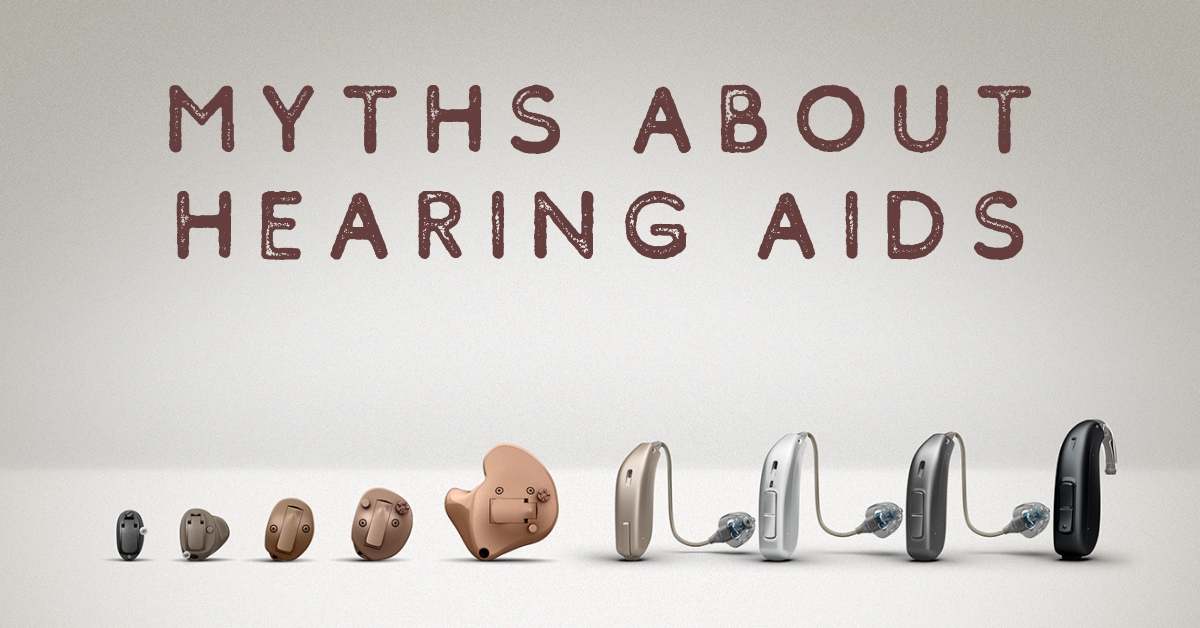
- Personnalisation : Les appareils intra-auriculaires profonds coûtent généralement plus cher que les modèles contour d’oreille.
- Services professionnels : Les ajustements inclus et le suivi peuvent ajouter 500 $ à 1 200 $. La garantie peut représenter un coût supplémentaire de 150 $ à 400 $ par appareil.
- Connectivité et fonctionnalités avancées : Bluetooth, applications mobiles, suivi de la santé, réduction du bruit, microphones directionnels et générateurs de bruit pour les acouphènes peuvent ajouter 200 $ à 800 $ selon les options.
Comment choisir la bonne aide auditive
Commencez par une évaluation auditive complète réalisée par un audiologiste agréé afin de déterminer précisément le niveau de perte auditive. Évitez de choisir un appareil uniquement en fonction du prix ou des arguments marketing.
Tenez compte de vos environnements d’écoute habituels. Les personnes participant fréquemment à des événements sociaux peuvent avoir besoin d’une forte réduction du bruit ambiant et de microphones directionnels. Celles restant principalement à domicile peuvent trouver des appareils plus simples suffisants.
La plupart des fournisseurs proposent des périodes d’essai de 30 à 60 jours. Profitez de ce délai pour évaluer le confort, la gestion des piles ou de la recharge et les performances en situation réelle. Demandez des ajustements de programmation pendant l’essai afin d’optimiser les résultats.
Adaptez les fonctionnalités technologiques à vos besoins réels. Bien que la connectivité smartphone séduise de nombreux utilisateurs, tout le monde ne bénéficie pas de fonctionnalités avancées. Les personnes actives peuvent toutefois trouver que le changement automatique d’environnement et la diffusion sans fil justifient le coût supplémentaire.
Comment réduire le coût des aides auditives
- Vérifiez votre couverture d’assurance. Certains plans Medicare Advantage offrent entre 500 $ et 2 500 $ par an pour les aides auditives.
- Les anciens combattants admissibles peuvent recevoir des aides auditives gratuitement via le Department of Veterans Affairs.
- Envisagez les marques en vente directe proposant des prix inférieurs de 40 à 60 %.
- Les aides auditives en vente libre pour perte légère à modérée coûtent entre 200 $ et 1 000 $ la paire.
- Renseignez-vous sur les programmes d’aide des organisations à but non lucratif et les dispositifs d’assistance des États.
- Recherchez les promotions des fabricants, les soldes de fin d’année et les offres groupées pour les deux oreilles (économies de 10 à 15 %).
- Utilisez les comptes de dépenses flexibles (FSA) ou les comptes d’épargne santé (HSA) pour bénéficier d’avantages fiscaux.
Comprendre la valeur à long terme
Il convient de prendre en compte le coût total de possession sur une durée de vie typique de cinq ans. Les appareils haut de gamme avec des services complets peuvent coûter moins cher par an que des modèles économiques nécessitant des réparations fréquentes. Les piles non rechargeables représentent en moyenne 50 $ à 100 $ par an.
Un suivi professionnel continu améliore les performances de l’appareil et la satisfaction à long terme. Des fonctionnalités avancées telles que l’ajustement automatique à l’environnement et une réduction supérieure du bruit peuvent améliorer considérablement l’autonomie, la sécurité et la qualité de vie globale.
Une perte auditive non traitée est associée au déclin cognitif, à l’isolement social et à un risque accru de chutes. Investir dès aujourd’hui dans une technologie auditive adaptée peut aider à prévenir des problèmes de santé plus graves et plus coûteux à l’avenir.