What Happens During Radiation Therapy? The Biological Truth Revealed
HealthRadiation therapy uses ionizing energy to damage cancer cell DNA while allowing healthy cells time to repair. This article explains the cellular battle behind treatment, common side effects, recovery expectations, and the cost of different radiation technologies in the United States.
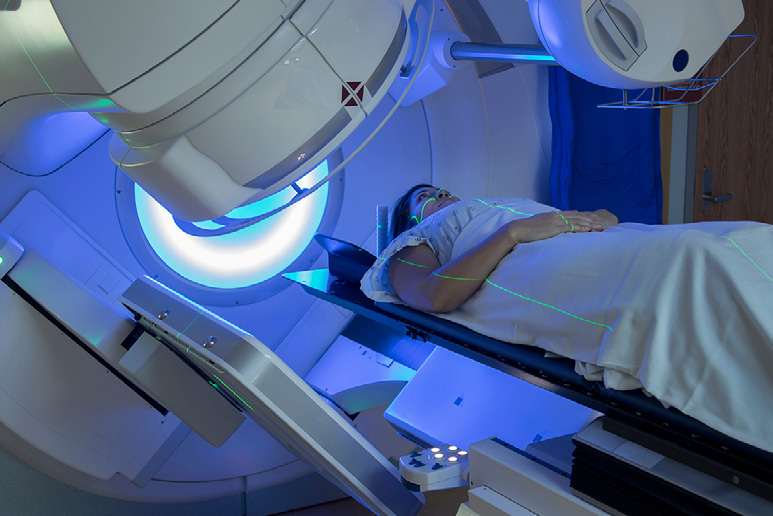
If you’ve recently been told that radiation therapy is the next step in your cancer journey, you may be wondering: What is this beam actually doing inside my body? Although the treatment can feel invisible and mysterious, there is a precise biological process unfolding at the cellular level.
1. The Invisible Strike: The First Seconds of Impact
When the radiation machine activates, it delivers ionizing energy—in the form of X-rays, gamma rays, or protons—into the targeted area. Unlike surgery, radiation does not remove tissue physically. Instead, it performs a microscopic disruption.
The beam passes through skin and healthy tissue until it reaches the tumor. There, it interacts with water molecules inside cells, generating highly reactive molecules known as free radicals. These molecules damage the DNA of cancer cells by breaking the double-helix structure. This process leads to mitotic death, meaning the cancer cell cannot successfully divide and eventually collapses.
2. The “Repair Gap”: Why Cancer Cells Die While Healthy Cells Survive
Each radiation session damages both cancerous and healthy cells. The key difference lies in repair ability.
Healthy cells have evolved complex repair enzymes that can fix DNA damage between treatment sessions.
Cancer cells are genetically unstable and have impaired repair systems.
That is why treatment is delivered in small daily doses, often over 5 to 7 weeks. During the day, radiation damages DNA. Overnight, healthy cells repair themselves more effectively than cancer cells. Over time, this cumulative “repair gap” allows tumors to shrink while normal tissue recovers.
3. Side Effects: The Reality of Collateral Damage
Modern technologies such as IMRT (Intensity-Modulated Radiation Therapy) increase precision, but nearby tissues can still be affected.
Skin Reactions: Because skin cells divide rapidly, radiation can temporarily slow regeneration, causing redness, dryness, or peeling (radiation dermatitis).
Fatigue: The body works continuously to clear damaged cells and repair tissue. This increased metabolic demand often causes profound tiredness.
Inflammation: Radiation triggers immune responses, which may cause localized swelling or cognitive fog when treating the head and neck.
4. After the Machine Turns Off: The Post-Treatment Effect
The biological effects of radiation continue even after a session ends.
Delayed Side Effects: Many patients notice stronger symptoms during the third or fourth week of treatment because damaged cancer cells fail during attempted division.
Fibrosis: As tumors heal, scar tissue may form. Institutions such as the Mayo Clinic emphasize hydration and movement to help maintain tissue flexibility.
5. Radiation Therapy Costs in the United States
Treatment costs vary depending on technology:
Standard EBRT: $8,000 – $20,000
IMRT: $15,000 – $35,000
Proton Therapy: $45,000 – $75,000
SBRT/CyberKnife: $20,000 – $40,000
Medicare Part B and many private insurers, including Blue Cross Blue Shield and Aetna, typically cover these treatments. However, additional recovery-related expenses—such as topical creams, nutritional supplements, and travel—can add to overall costs. Many major centers provide financial navigation and co-pay assistance programs.
6. Supporting Recovery During Treatment
Increase Protein Intake: Amino acids are essential for repairing healthy cells.
Prioritize Skin Care: Use oncology-approved, fragrance-free moisturizers.
Discuss Precision Options: Ask about Proton Therapy or stereotactic techniques when treating sensitive organs.
Conclusion
Radiation therapy represents a controlled biological battle. While side effects can occur, healthy cells are generally resilient and capable of repair, whereas cancer cells are more vulnerable to DNA damage. Understanding this process can help patients move from fear to informed participation in their recovery journey.
FAQ
Does radiation stay in my body? No. With external beam radiation, once the machine turns off, no radiation remains in your body.
Will I lose my hair? Hair loss occurs only in the area being treated, not throughout the body as with chemotherapy.
When will I feel normal again? Most short-term side effects improve 4 to 6 weeks after treatment ends, though energy levels may take several months to fully recover.
Related searches