Understanding Macular Degeneration Symptoms and Treatment
HealthMacular degeneration is a leading cause of vision loss among older adults in the United States. This guide explains early symptoms, differences between dry and wet AMD, diagnosis methods, treatment options, costs, and prevention tips to help patients make informed decisions.
Apr 24, 2026 · 7 min read
Macular degeneration is a common eye disease that affects millions of Americans, especially adults over 50. The condition damages the macula, the part of your retina responsible for sharp, central vision. This can lead to difficulties in reading, driving, and recognizing faces. There are two main types: dry (atrophic) and wet (neovascular) macular degeneration.
The dry form is more prevalent and progresses gradually. The wet form is less common but can cause rapid vision loss due to abnormal blood vessel growth. Early detection and treatment are crucial for preserving sight and maintaining independence.
Macular Degeneration Symptoms
Symptoms often begin subtly and worsen over time. Common warning signs include:
- Blurred central vision
- Trouble recognizing faces
- Needing brighter light for reading
- Straight lines appearing wavy or distorted
- A dark or empty area in the center of vision
Early-stage macular degeneration may not present obvious symptoms, which is why regular eye exams are important. As the disease progresses, colors may appear less vivid and adapting to low light may become difficult.
Sudden changes in vision, especially distortion or flashes of light, require immediate medical attention.
Dry and Wet Macular Degeneration
Dry macular degeneration involves gradual breakdown of light-sensitive cells in the macula. Yellow deposits called drusen under the retina are a hallmark of this type. It accounts for approximately 80–90% of cases and typically progresses slowly.
Wet macular degeneration occurs when abnormal blood vessels grow beneath the retina and leak blood or fluid. Though less common (10–20% of cases), it progresses rapidly and can cause sudden, significant vision loss.
Some patients with dry AMD may later develop the wet form. Identifying the type and stage is essential for selecting appropriate treatment.
How Macular Degeneration Is Diagnosed
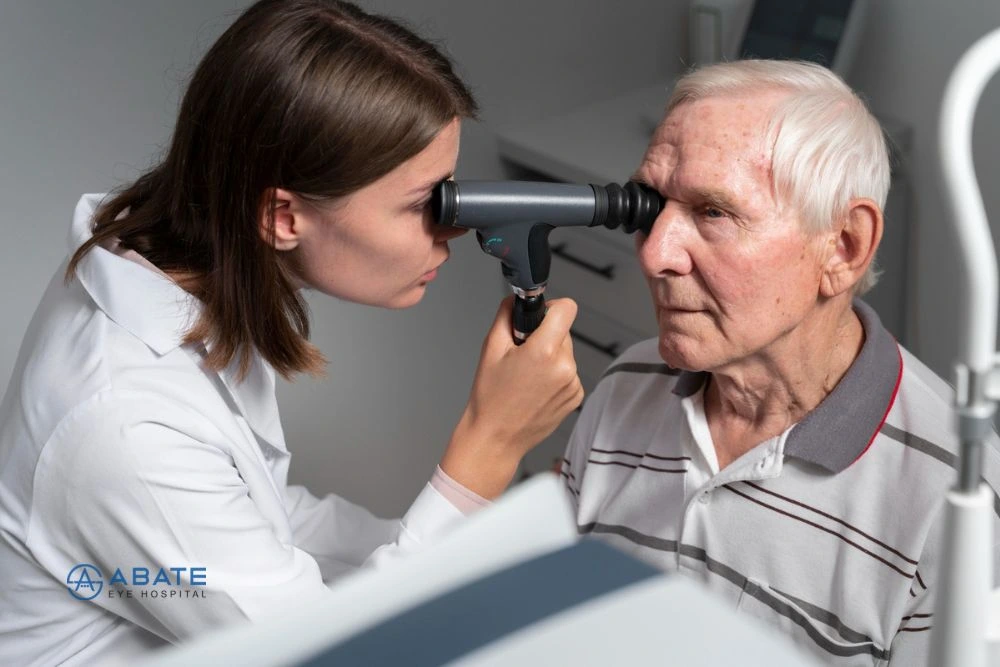
Diagnosis begins with a comprehensive eye exam. Eye care professionals may use:
- Visual acuity tests
- Dilated eye exams
- Optical coherence tomography (OCT)
- Amsler grid testing
- Fluorescein angiography to assess retinal blood vessels
Regular screenings are especially important for adults over 50, individuals with a family history of AMD, smokers, or those with high blood pressure.
Macular Degeneration Treatment Options
There is currently no cure for macular degeneration, but treatments can slow progression and help maintain vision.
Dry AMD
Doctors often recommend lifestyle changes and AREDS2 nutritional supplements containing antioxidants, zinc, and lutein. These may help reduce the risk of progression in some patients.
Wet AMD
Standard treatment involves anti-VEGF injections that block abnormal blood vessel growth. Common medications include:
- Lucentis (ranibizumab)
- Eylea (aflibercept)
- Avastin (bevacizumab)
Other options in select cases include laser therapy or photodynamic therapy. Low vision aids such as magnifiers and specialized lenses can help patients maintain independence. Research into gene therapy and stem cell treatments is ongoing.
Cost and Insurance Coverage
Treatment costs in the United States vary:
- Anti-VEGF injections: approximately $1,800–$2,000 per injection
- Laser treatment: approximately $1,000–$2,500
- AREDS2 supplements: approximately $30–$50 per month
Medicare, Medicaid, and most private insurers typically cover medically necessary treatments, particularly for wet AMD, though copays and prior authorization may apply.
Selecting Specialists and Treatment Centers
Board-certified ophthalmologists and retinal specialists are best qualified to diagnose and treat AMD. Leading U.S. centers mentioned include:
- Bascom Palmer Eye Institute (Miami, FL)
- Wills Eye Hospital (Philadelphia, PA)
- Wilmer Eye Institute at Johns Hopkins (Baltimore, MD)
Many major centers offer advanced imaging, multidisciplinary care, clinical trials, and telehealth follow-up options.
Lifestyle and Prevention Tips
- Quit smoking
- Eat leafy greens and foods rich in omega-3 fatty acids
- Wear sunglasses to protect against UV damage
- Manage high blood pressure and cholesterol
- Exercise regularly and maintain a healthy weight
- Schedule routine eye exams
Support groups and assistive technologies such as e-readers and voice assistants can help patients maintain independence.
Benefits and Limitations of Treatments
AREDS2 supplements are affordable and easy to use but do not restore lost vision.
Anti-VEGF injections are effective for wet AMD and can preserve vision but require frequent office visits and may carry risks such as infection or increased eye pressure.
Laser therapy can seal abnormal blood vessels in select cases but is not suitable for all patients.
FAQ
What is the first sign of macular degeneration?
Blurred central vision, difficulty reading, or straight lines appearing wavy are common early signs.
Is macular degeneration curable?
No. Treatments can slow progression and manage symptoms but cannot restore lost vision.
How often is treatment needed for wet AMD?
Many patients begin with injections every 4–8 weeks, with frequency adjusted based on response.
Are treatments covered by insurance?
Most insurance plans, including Medicare, cover medically necessary treatments, though copays and authorizations may apply.
Can lifestyle changes help?
Yes. Not smoking, eating a nutrient-rich diet, protecting eyes from UV exposure, and managing chronic conditions may reduce risk or slow progression.
The content provided is for general informational purposes only and is not a substitute for professional medical advice.