Radiation Therapy Demystified: The Essential Guide for US Patients
HealthA comprehensive guide to radiation therapy in the United States, covering how it works, treatment types, leading providers, costs, benefits, risks, and practical tips. Designed to help patients and families make informed treatment decisions with confidence.
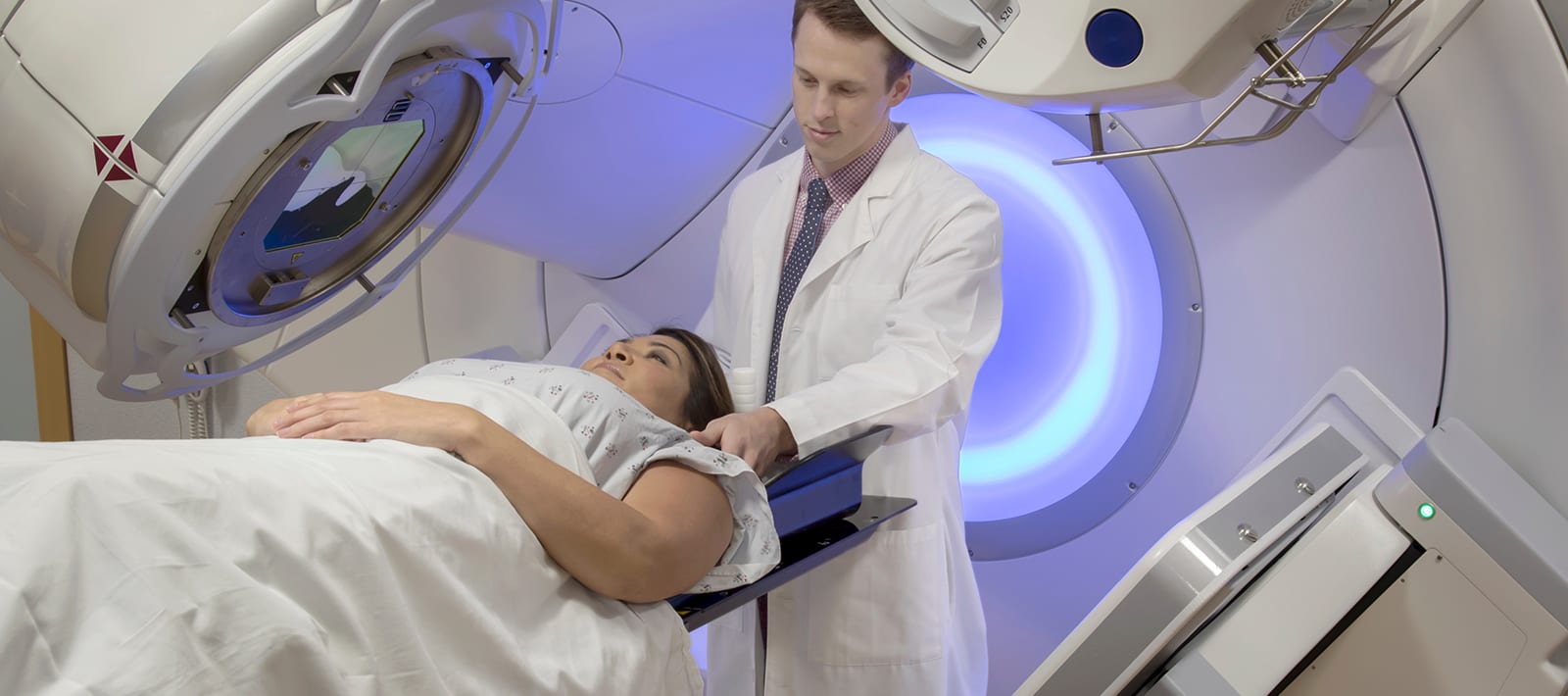
Discover everything you need to know about radiation therapy in the United States. From choosing the right provider to understanding types, prices, pros, cons, and insider tips, this comprehensive guide helps patients and families navigate treatment decisions with confidence and clarity.
Understanding Radiation Therapy
Radiation therapy is a critical treatment used in fighting cancer and some noncancerous conditions. It leverages high-energy radiation to destroy or damage abnormal cells, typically by targeting tumor sites. In the United States, over half of cancer patients receive radiation therapy as part of their care.
Treatment may be used alone or combined with surgery, chemotherapy, or other therapies, depending on the diagnosis. The goal is to eliminate cancer cells while preserving as much healthy tissue as possible. Newer technology has greatly improved precision, reducing unwanted side effects.
It is important to understand how radiation therapy works, the kinds offered, and what to expect as a patient or caregiver. This knowledge allows you to make informed choices and prepare for each step of the journey, ensuring the best possible treatment outcomes.
How to Choose a Provider
Selecting the right radiation therapy provider is crucial. Look for centers with board-certified radiation oncologists, experienced technical staff, and accreditation from organizations like the American College of Radiology (ACR).
Consider the center's expertise in your specific type of cancer. Ask about the technology they use and whether advanced techniques like IMRT or proton therapy are available. Convenience and location also play a major role, since many treatments require daily visits for several weeks.
Credentials: Board-certified oncologists and accredited facilities.
Experience: Expertise with your specific diagnosis.
Technology: Availability of modern treatment modalities.
Insurance: Coverage and out-of-pocket costs.
Location: Convenient access for multiple visits.
Reviews: Patient experiences and outcomes.
Second Opinion: Consider consulting another expert.
Support Services: Counseling, nutrition, and support groups.
Communication: A team that answers your questions clearly.
Bringing a friend or family member to your consultation can help you remember important details discussed during your appointment.
Main Types of Radiation Therapy
Radiation therapy comes in several forms. The choice depends on tumor type, location, and your overall health. The two most common are external beam radiation therapy (EBRT) and internal radiation (brachytherapy).
External Beam Radiation Therapy (EBRT) uses machines outside the body to direct X-rays or protons at the tumor. Subtypes include IMRT, IGRT, stereotactic radiosurgery (SRS), stereotactic body radiation therapy (SBRT), and proton beam therapy, each offering varying levels of precision.
Brachytherapy involves placing radioactive materials directly into or near the tumor, delivering high doses over shorter durations. Prostate, cervical, and breast cancers are common candidates.
Conventional EBRT: Used for most cancers; typically 5–7 weeks of outpatient treatment.
IMRT: Often for prostate and head & neck cancers; very high precision.
Proton Therapy: Frequently used in pediatric, CNS, and lung cancers; exceptional precision.
SRS/SBRT: Used for brain, lung, and spine tumors; 1–5 sessions.
Brachytherapy: Localized treatment over 1–5 sessions or continuous over days.
Specialists recommend a personalized approach. Always discuss all available options and potential side effects with your oncologist before making decisions.
Leading Providers in the US
Several standout organizations set the standard for radiation therapy nationwide. Large cancer centers tend to offer the latest technology and multidisciplinary expertise.
MD Anderson Cancer Center (Houston, TX): Known for research, broad expertise, and advanced technology. Patient rating: 4.9/5.
Memorial Sloan Kettering Cancer Center (New York, NY): Personalized plans and innovation. Patient rating: 4.8/5.
Mayo Clinic (Multiple locations): Comprehensive care and strong support services. Patient rating: 4.9/5.
Dana-Farber Cancer Institute (Boston, MA): Patient-centered therapy and advanced options. Patient rating: 4.8/5.
Cleveland Clinic (Cleveland, OH): Advanced radiation modalities including proton therapy. Patient rating: 4.7/5.
Community-based centers affiliated with larger institutions may also provide excellent and convenient care. Always weigh reputation, technology, and accessibility.
Understanding Prices
Radiation therapy costs vary widely across the United States depending on treatment type, provider, location, number of sessions, and insurance coverage.
Conventional EBRT: $8,000 – $20,000
IMRT: $15,000 – $35,000
Proton Therapy: $45,000 – $70,000
Brachytherapy: $10,000 – $30,000
SRS/SBRT: $15,000 – $30,000
Most private insurance plans, as well as Medicare and Medicaid, cover medically necessary radiation therapy. Out-of-pocket costs may include copays, deductibles, and additional service charges. Request a detailed estimate before starting treatment.
Many cancer centers provide financial counselors to help patients navigate insurance and identify grants or foundation support.
Pros and Cons
Radiation therapy is one of the most powerful non-invasive cancer treatments available.
Pros:
Precisely targets tumors.
Non-invasive alternative to surgery.
Can shrink tumors before surgery.
May be combined with other therapies.
Often covered by insurance.
Cons:
Risk of short-term and long-term side effects.
Often requires multiple sessions.
Possible impact on surrounding healthy tissue.
Rare long-term risks such as tissue scarring or secondary cancers.
Travel may be required for frequent appointments.
Tracking side effects daily can help your care team adjust treatment and manage symptoms effectively.
Making the Most of Your Experience
Being proactive in your care makes a significant difference. Ask questions, maintain open communication with your medical team, and establish a routine to manage fatigue and recovery.
Keep all documentation—test results, medication lists, and insurance details—organized. Seek support from friends, family, and cancer organizations. Nutrition guidance, stress management, and proper skin care during treatment are also important.
Explore clinical trial options. You may qualify for advanced treatments and contribute to the future of cancer care.
Roadmap to Getting Started
Obtain a full diagnosis and treatment recommendation.
Research local and national providers.
Confirm insurance coverage and referral requirements.
Schedule consultations and bring medical records.
Evaluate options based on comfort, reputation, and technology.
Commit to a treatment plan and prepare for daily visits.
Monitor side effects and meet regularly with your oncology team.
Follow up after treatment for long-term monitoring.
FAQ
What is radiation therapy and how does it work?
Radiation therapy uses high-energy rays to destroy or damage cancer cells by targeting their DNA, preventing them from dividing and growing while minimizing harm to healthy tissue.
What side effects should I expect?
Common side effects include fatigue, skin changes, localized swelling, and irritation in the treatment area. Most are temporary, though some rare late effects may persist.
Does insurance cover radiation therapy in the US?
Most private insurance plans, Medicare, and Medicaid cover medically necessary radiation therapy. Coverage details and out-of-pocket costs vary, so confirm with your insurer.
How long does treatment last?
Traditional courses typically last 5–7 weeks with daily weekday sessions. Advanced techniques may reduce treatment to as few as 1–5 sessions.
Can I continue working during treatment?
Many patients continue working and performing daily activities, though fatigue may require adjustments. Communicate openly with your healthcare team to maintain quality of life.
Related searches